Orange County Electrical Security Look For Older Residences
Older homes in Orange County have character you can feel the moment you step within, however their circuitry typically tells a different story. A safety check is about more than passing an inspection or pleasing an insurance request. It is about understanding what is behind the walls, whether your panel can handle today's loads, and how to support small weak points before they develop genuine hazards. After twenty years fixing and updating homes from San Clemente to Fullerton, I have actually found out that a cautious electrical evaluation in an older home saves cash, protects equipment, and, most importantly, reduces risk.
Why older Orange County homes deserve a deliberate look
The county's real estate stock covers prewar cottages in Orange, 1950s cattle ranch homes in Costa Mesa, 1960s and 70s system homes in Anaheim and Garden Grove, and customized builds along the coast. Each era included different circuitry approaches and panel devices. Over decades, owners add spaces, swap stoves, build out garages, and wire in landscape lights. Some upgrades are permitted and expert, others are improvised and innovative. That patchwork, layered over aging conductors and overloaded panels, is why a systematic electrical examination matters.
California follows the California Electrical Code, which mirrors the National Electrical Code with some state changes. The code evolves. Houses do not. A licensed electrician Orange County house owners trust will look for where an older system no longer aligns with modern security expectations, then discuss what is necessary, what is clever, and what can wait.
What the home's age exposes at a glance
You can inform a lot by building and construction year. Pre 1940 homes might still hide knob and tube branch circuits in attics. They can be safe if untouched, however splices, insulation over the conductors, and included loads break that safety margin. Houses integrated in the 1950s to early 60s often utilized fabric insulated NM cable television and 60 amp service. That worked when the heaviest draw was a toaster and a TELEVISION. Include a hairdryer, microwave, space heater, and an EV charger, and breakers start tripping for a reason. Homes from approximately 1965 to the mid 1970s in some cases have aluminum branch electrical wiring, which requires attention to avoid overheating at terminations. By the 1980s, copper NM with much better coats was common, yet many panels from that duration are under capacity for today's lifestyles.
I constantly ask owners about their routine. Do you run the dryer and an induction range at the same time? Are there window a/c systems? Any plan for an electrical lorry charger Orange County commute life tends to require? The responses notify whether a simple Orange County electrical repair will do, or whether it is time for an electrical panel upgrade Orange County allowing departments see regularly.

Common threats discovered in older Orange County homes
The very same concerns appear across the county. Aging service panels top the list. Zinsco and certain Federal Pacific Electric breakers have a recorded history of failing to trip under fault conditions. Even if the lights appear great, a stuck breaker is a peaceful threat. Split bus panels from the 60s and 70s, which lack a single primary disconnect, also produce difficulties for safe service and future expansion.
Improper grounding is another frequent find. The grounding electrode conductor might be undersized, or the system might only bond to a water pipe that has given that been changed with PEX, breaking the bond course. I see corroded clamps on ground rods in coastal cities like Newport Beach. In earthquake country, protected bonding of gas lines and metallic water supply is not optional.
Aluminum branch circuits, typical in some 1965 to 1973 builds, require terminations ranked for AL/CU and antioxidant compound. If you pull a receptacle and see single strand aluminum under a standard screw terminal, that is a warning. The fix can be as focused as copper pigtailing with listed adapters, or as extensive as whole home rewiring Orange County owners frequently plan throughout a remodel.

Then there are the small information that add up: open splices in attics, buried junction boxes behind drywall, no GFCI security in garage and outside outlets, 2 prong receptacles without any devices ground, reversed polarity on a living room outlet somebody changed in a hurry. The majority of these are straightforward corrections for a residential electrician Orange County homeowners can rely on. Left unaddressed, they produce the conditions where a nuisance trip becomes a fire.
How a professional security check unfolds
An extensive electrical evaluation Orange County property owners ask for older homes follows a deliberate path that balances code, practicality, and the home's history.
- Interview and study. Walk the residential or commercial property with the owner to record issues, known additions, major appliances, and plans for EV charger setup Orange County commuters often need.
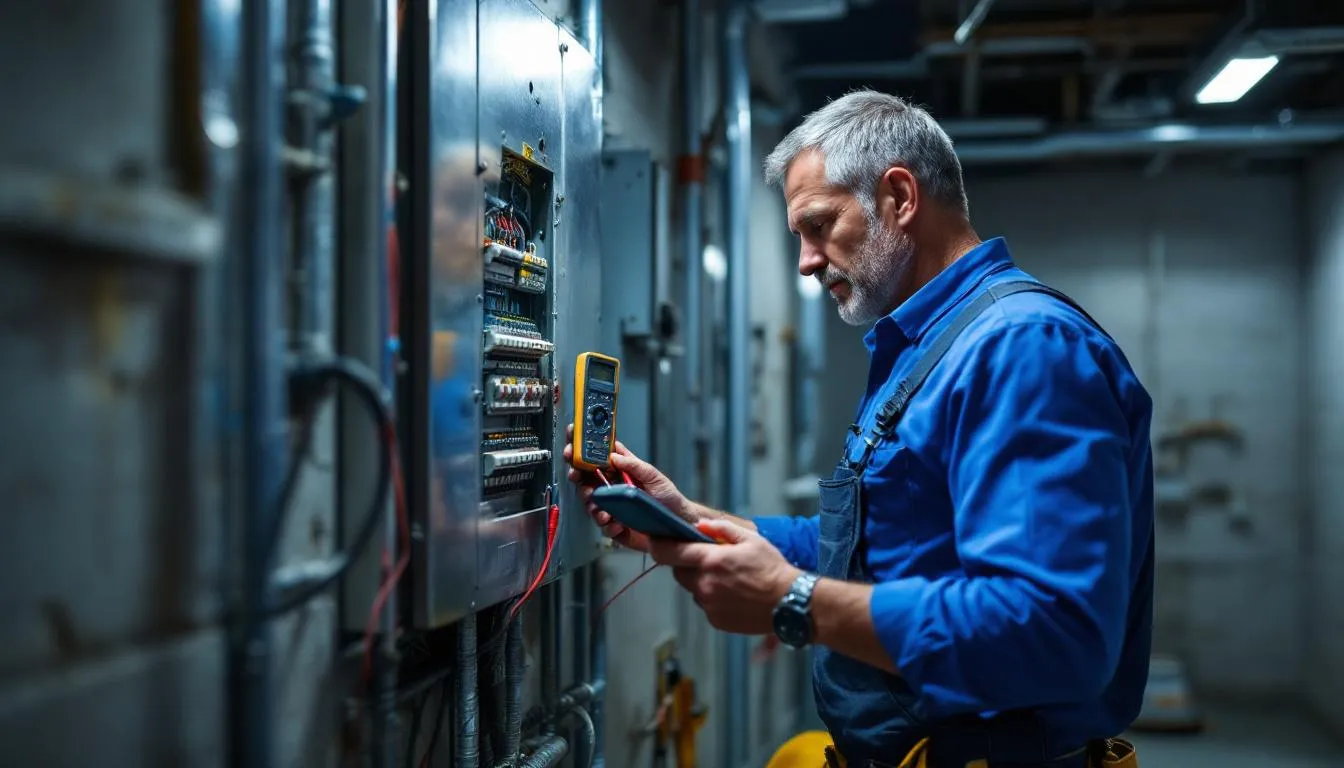
- Panel and service evaluation. Open the panel, determine the make and design, look for heat discoloration, test main lugs, verify bonding and grounding, and photo the layout for the report.
- Branch circuit sampling. Test a representative set of receptacles and switches, map circuits when labeling is missing out on, and physically check accessible attic and crawl areas for splices, harmed insulation, and stapling.
- Protection and life security evaluation. Validate GFCI and AFCI protection in kitchen areas, baths, laundry, garage, exteriors, and bed rooms, and test smoke and CO alarms for age and placement.
- Documentation and prioritization. Provide a composed report with pictures, note code recommendations where pertinent, and different items into safety immediate, advised, and future planning.
That structure helps property owners see the full picture without getting lost in jargon. For residential or commercial properties with separated structures, we consist of subpanel checks, feeder types, and whether the grounding and bonding plan is correct for a removed garage or accessory residence unit.
What we test and step, in plain language
Where a layperson sees lights and outlets, an electrical expert sees conductors, terminations, and security gadgets. The screening begins with the service. I verify service size by conductor gauge and meter score, and I check the panel's bus score, not simply the sum of breaker deals with. It is common to find 200 amps worth of breakers in a 100 amp panel. That is not how capability works. I measure voltage at the main, then at branch circuits under normal load to inspect voltage drop. A 3 to 5 percent drop under load is affordable. If I see more, I try to find long terms, undersized conductors, or corroded terminations.
Receptacles get a polarity and grounding test. A three light tester is a start, but I back that with a meter to validate real ground paths. GFCIs are evaluated with both the button and an external tester to guarantee they journey within spec. Arc fault defense is more difficult, given that annoyance journeys can indicate either a device issue or harmed cable television insulation. In older houses, I suggest combination type AFCI breakers in the panel when possible, and I discuss the tradeoffs for retrofitting at the device level.
Infrared scanning helps discover hot spots on breaker terminations and neutral bars. I have caught loose lugs glowing at 160 degrees Fahrenheit under air conditioning system load in August. A torque check after power down and a re termination resolved it without drama. Protection devices are there to detach an issue. They can refrain from doing that if they are not making good contact.
Panels that require attention, and why
Certain panels set off concern each time. Zinsco and Federal Pacific Stab Lok equipment appear throughout Orange County, especially in 60s and 70s communities. Failures are not ensured, however the threat curve is incorrect enough that most insurance coverage carriers prefer replacement. I have pulled breakers that actually slid off the bus bar with a push, and bus bars that show burn marks from arcing. Panel replacement Orange County officials permit everyday is a clean path to much safer power and more capacity.
Even panels without a brand preconception can be undersized. Numerous 1950s homes carry 60 amp service with a fuse box or a little breaker panel. If you want a heatpump, induction range, and an EV battery charger, consider a 200 amp electrical panel upgrade Orange County energies support. If a full upgrade is not feasible, a load management device or a 100 to 125 amp panel with a tough take a look at simultaneous loads can work. Part of a truthful conversation with a regional electrician Orange County house owners worth is shaping the upgrade to your strategies and budget.
Grounding and bonding in a coastal county
Grounding is a system, not a single wire. An older house might have a lone clamp on a rusted pipes and nothing else. Today, you want a continuous grounding electrode conductor to a UFER ground in the footing if present, or to ground rods appropriately spaced and connected. Bonding jumpers tie metallic water lines and gas piping into the system. In seaside zones, rust battles you, so we pick noted ports and safeguard them from salt laden air. I have seen swimming pool devices in Huntington Beach with green crust on every bond lug. That is not merely cosmetic. High resistance bonds can produce shock hazards around wet surfaces.
Detached garages and ADUs raise another bond concern. Subpanels need to keep neutrals and premises separated, with an appropriate equipment grounding conductor run with the feeder. Older installs typically re bond neutrals downstream or rely on a water pipe. That is a code and security issue we remedy during Orange County electrical repair work.
Kitchens, baths, laundry, and garages
Wet locations and heavy draw appliances stress older circuits. Cooking areas need several little device circuits with GFCI defense and, in most modern-day analyses, AFCI as well. Microwaves and disposals should have devoted circuits. I often discover dishwashers tied into a disposal circuit with a shared neutral that has been customized three times. Bathrooms require GFCI on receptacles and devoted 20 amp circuits. Laundry areas need a dedicated 20 amp for the washer and the correct 240 volt receptacle and breaker for electrical dryers. Garages must have GFCI and frequently AFCI defense, with no open splices or extension cable style feeds to freezers. If you prepare an EV charger setup Orange County inspectors will want to see a devoted circuit sized to the battery charger and an appropriately installed unit, not a cable encountering storage shelves.
Outdoor circuits, pools, and landscape lighting
Exterior wiring in older homes typically evolves gradually. I see landscape lighting powered by a transformer plugged into a garage outlet that is on the exact same circuit as the garage door opener, a freezer, and half the lights. Low voltage wiring Orange County homeowners use for doorbells and watering controls ought to stay low voltage all the method, with noted transformers and protected conductors. For pools and health spas, both GFCI and bonding rules are rigorous for great reason. Bonding grids, equipotential bonding of metal, and GFCI security on pump motors keep you safe in and around water. If you are considering new outside lighting setup Orange County provides plenty of choices, from recessed lighting on outdoor patios to course lights. The wiring needs to be ranked for damp locations, with in use covers on outlets and sealed boxes.
Additions, remodels, and the do it yourself factor
I have opened attic areas in 1960s homes and found 4 different electrical wiring styles spliced together. A permitted room addition from the 80s ties into a fabric covered cable from the 50s, then somebody added a can light in 2009 with NM B cable and wire nuts in a buried junction. This is not unusual. The fix is not always a complete remove. We identify accessible runs that can be remedied, bring junctions into authorized boxes with covers, and alleviate overloaded circuits by including brand-new ones from the panel. Throughout a remodel, that is the moment to fix legacy concerns, add AFCI and GFCI where required, and upgrade to contemporary devices with tamper resistant receptacles. If you prepare smart home wiring Orange County homes often mix with Wi Fi devices, think about low voltage prewiring for gain access to points, video cameras, and sensors while the walls are open.
Planning upgrades that make a difference
An excellent assessment leads to a plan. The essentials normally consist of life security: replace a harmful panel, appropriate open grounds, include needed GFCI and AFCI security, and repair damaged conductors. The next tier includes reliability: redistribute loads, include devoted circuits for microwave, disposal, and workplace devices, and change breakable devices. Then comes modernization: EV charging, generator setup Orange County owners consider for medical requirements or work continuity, and lighting enhancements with efficient LED components and dimmers. Recessed lighting Orange County homes frequently yearn for can be retrofit with IC rated, airtight cans or low profile LED wafers that keep attic insulation undisturbed. Ceiling fan installation Orange County summertimes justify belongs on appropriately braced boxes, not on the lightweight bracket that held a dome light.
If the evaluation exposes aluminum branch circuits across your house, we weigh the expense and disruption of entire home rewiring against targeted corrections using listed AL to CU adapters. When a service upgrade is on the table, we collaborate with the energy and the city, prepare a one line diagram, and safe and secure authorizations. As an Orange County electrical contractor, I arrange the cutover so you are without power just for the necessary window, normally 4 to 8 hours for a panel replacement.
Costs, timelines, and permits in context
Every house is different, however some varieties help with preparation. A panel replacement for a common 100 amp to brand-new 200 amp service in Orange County, including permit, materials, and labor, frequently lands in the 3,500 to 7,500 dollar variety depending upon meter area, trenching needs, and service avenue condition. A security remediation package that adds GFCIs, swaps out used devices, fixes open grounds where feasible, and repair work accessible splices might fall in between 600 and 2,500 dollars, depending on findings and home size. Whole home rewiring is far more variable, from 10,000 dollars into the mid 30,000 s or more for large or complex homes with plaster walls.
Permitting turn-around differs by city. Smaller over-the-counter permits like panel replacement frequently process quickly, in some cases very same day. Bigger scope rewires or service relocations can take a week or 2 depending upon strategy checks and energy coordination. A very same day electrician Orange County homeowners require fixing can typically manage GFCI replacements, minor repairs, and outlet installation Orange County homes need without an authorization, but structural work and service changes will need one. A licensed electrician Orange County inspectors recognize will handle the documents and fulfill the inspector on site.
When to call an emergency electrician, without waiting
- You smell burning plastic at the panel or outlets, or see smoke or charring on a device.
- A breaker will not reset and manages vital loads like medical equipment or refrigeration.
- You hear buzzing or crackling at the panel or a device, particularly under load.
- Lights dim significantly when significant appliances start, or half your home loses power unexpectedly.
- You experience shock sensations from fixtures, devices, or near a swimming pool or spa.
In those minutes, power off at the primary if it is safe to do so, then call a 24 hr electrician Orange County house owners can reach quickly. An emergency electrician Orange County based can identify hot spots, isolate faulty circuits, and make the scene safe, then return for permanent repair work once parts and authorizations are in place.
Two quick field stories
A 1972 home in Tustin concerned us after a neighbor's suggestion. The owner reported periodic flickering and a warm smell in the corridor. The panel was a Zinsco. Infrared scan revealed a 30 amp breaker at 170 degrees with a loose connection feeding a bedroom circuit that someone had extended into the garage. The bus was pitted. We set up a short-lived disconnect and scheduled a panel replacement within 2 days, rearranged the garage load to a new circuit, and added AFCI security for the bed rooms. The flicker stopped, and the heat signature dropped to normal.
In Laguna Niguel, a 1958 cattle ranch had pristine interior finishes and cloth insulated NM cable television above a heavily insulated attic. The cable television was buried under blown in insulation, which is not suggested for that older insulation type. We located splices without boxes, remedied them, added junction boxes with covers on stand offs above the insulation, and routed new NM B cable television for a kitchen little device circuit. The owner also wanted an EV battery charger. Without space in the 100 amp panel, we installed a 240 volt circuit with a load sharing device that limits the battery charger draw when the range is in usage. It satisfied the need without https://erickmlnn223.fotosdefrases.com/electrical-troubleshooting-orange-county-detect-and-repair-quick a complete upgrade.
Choosing the ideal pro for the job
Look for an electrician Orange County CA citizens can confirm as licensed and insured. Inspect the CSLB license, ask about permit handling, and request references for comparable work on older homes. A residential electrician Orange County focused will be fluent in regional code expectations and energy coordination. If your home blends residential and small company use, a commercial electrician Orange County groups field can handle dedicated circuits for office equipment and low voltage circuitry for data. The very best electrical contractor Orange County homeowners suggest will supply a clear scope, describe tradeoffs in plain language, and not push upgrades you do not need.
You will also see the difference in the walkthrough. A leading ranked electrician Orange County locals return to will ask how you actually use your house. They will open the panel, test representative outlets, get in the attic, and show you pictures of what they see. A regional electrical expert Orange County based will know the quirks of your city's permitting and evaluation design, whether the inspector is rigorous on labeling or wants to see torque specifications on lugs.
If budget is tight, say so. An inexpensive electrical contractor Orange County locals trust will focus on safety work first, then phase the rest. Not whatever needs to be fixed in one visit, however life safety should never wait.
Preparing your home for the visit
Simple actions help. Clear access to the panel, attic hatch, and crucial outlets. Move storage far from garage walls where channel runs. Collect any previous permits or renovate notes. If you have recurring problems like a tripping breaker or a dead outlet, note when it occurs and what is typically on at the time. That kind of context trims diagnostic time and expense. I also encourage owners to plan ahead. If an electrical panel upgrade Orange County rules enable remains in the cards next year, we can pull the circuit for future backyard lighting or a hot tub now and leave it coiled and identified. It adds cents during present work and saves hundreds later.
After the check, what an excellent report looks like
You must receive a file with photos and clear categories. Immediate items include panels with recognized hazard profiles, sweltered terminations, missing out on GFCI in wet places, open grounds where metal components are present, and damaged conductors. Advised items consist of AFCI upgrades in sleeping locations, rise security at the service for delicate electronics, and circuit redistribution for rooms that trip under common use. Planning products prepare for way of life modifications: an EV circuit, generator interlock, or devoted circuits for a remodel. For lighting installation Orange County homes typically plan in phases, we can rough in recessed lighting and clever dimmer locations now, then trim out when you pick fixtures.
If troubleshooting became part of the call, anticipate a narrative. For instance, "Master bath GFCI trips due to shared neutral on a multi wire branch circuit without a two pole deal with tie, corrected by setting up a common journey breaker and separating neutrals on the bar." That level of detail shows the concern is solved properly, not just masked.
The worth of a security check, beyond code
Electricity is unforgiving when overlooked and simple and easy when created and kept well. A routine evaluation every 5 to 7 years for older homes, or at any time you plan a significant home appliance or remodel, keeps surprises away. It teaches you how your particular house behaves. It sets a baseline for future projects with an Orange County electrical contractor who has seen your system and comprehends your top priorities. Whether you require very same day electrical contractor Orange County response for a fast repair or are preparing stepwise upgrades over a year, the best method is stable and practical.
If you are searching for an electrician near me Orange County search engine result can be frustrating. Focus on experience with older homes, clear interaction, and a willingness to show you, not simply tell you, what is going on. When the lights do precisely what you ask of them, the panel runs cool, and outlets secure your household quietly in the background, you feel the difference every day.